This document is provided for general informational purposes only and does not constitute legal, tax, accounting, insurance, brokerage, risk management, or other professional advice. You should consult your own legal counsel or other qualified professional advisors regarding your specific circumstances, and receipt of this document does not create any client, advisory, fiduciary, brokerage, or other professional relationship with Alliant Insurance Services, Inc. This document is provided “as is” without warranty of any kind, and Alliant Insurance Services, Inc. disclaims any liability for any loss or damage arising out of or relating to reliance on this document.
Insight
How Telematics Can Relieve Cross-Border Insurance Pressures
By Alliant Property & Casualty
Listen to the audio version:
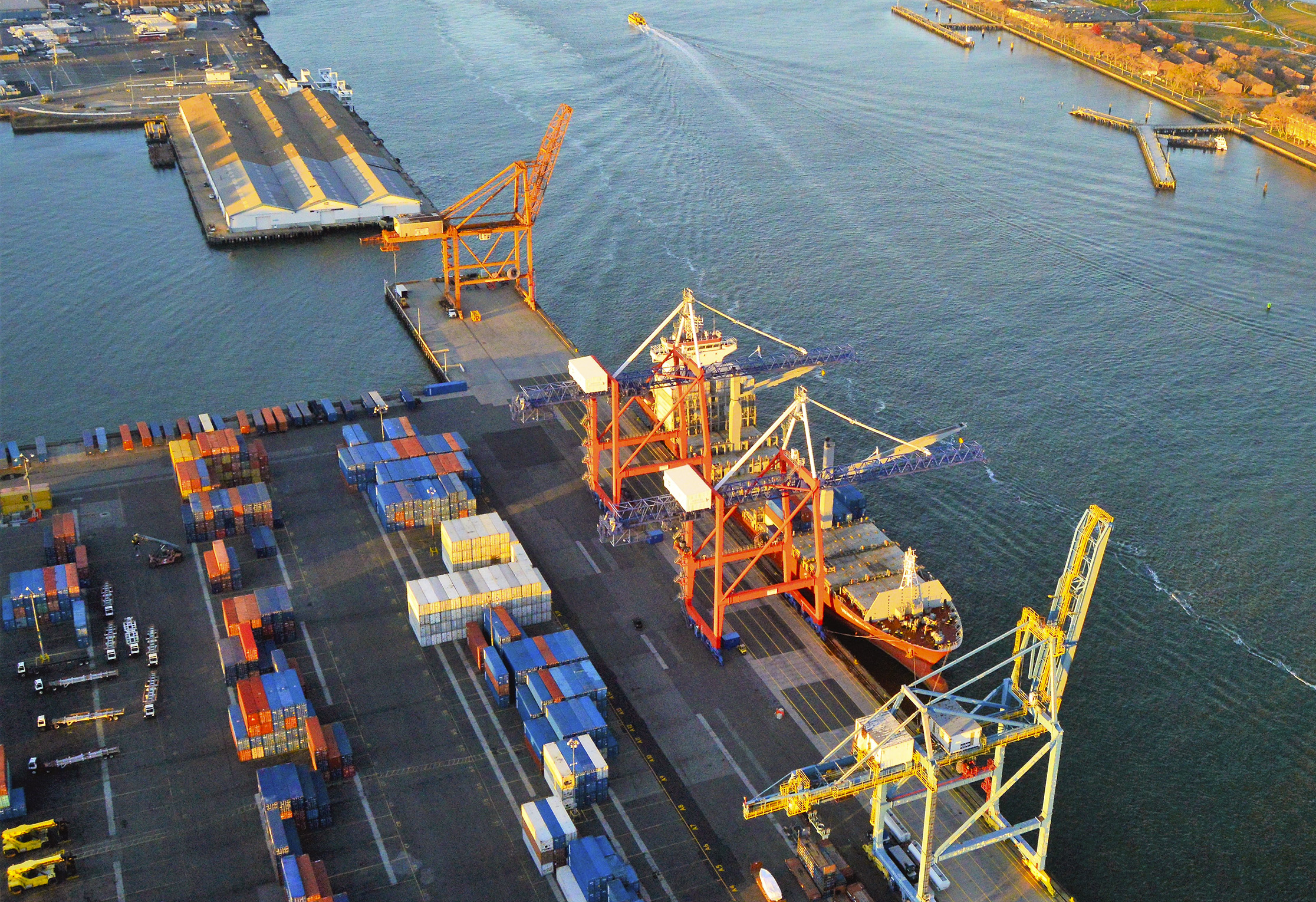
Cross-border transportation between the United States and Mexico is one of the backbones of North American commerce. In 2024, the U.S. traded roughly $840 billion in goods with Mexico. For decades, these fleets have connected communities on both sides of the border, moving workers, families and goods that sustain regional economies.
However, cross-border transportation is under pressure as many insurers are pulling back from this niche market, resulting in tightened coverage availability and affordability for fleets traveling between the U.S. and Mexico. To enhance insurability at affordable rates, fleets must effectively demonstrate how they are upholding safety standards across their operations.
In this article, we’ll discuss how capturing and leveraging telematics can help cross-border fleets build a strong safety narrative and qualify for favorable insurance rates and terms.
Understanding Today’s Cross-Border Insurance Pressures for Fleets
Cross-border fleets are facing intense pressure from insurers, threatening the sustainability of their operations and profitability. B-1 visa drivers who have operated safely and professionally for years are facing closer scrutiny from insurers and regulators due to visibility issues. Without hard data to demonstrate safety performance, underwriters default to assumptions, classifying cross-border fleets as higher risk.
As a result, fleets are facing higher insurance rates that aren’t reflective of their safety performance. For general freight carriers, primary liability premiums are falling between $5,000 and $12,000 per truck annually. The steepest increases have hit public-auto and cross-border passenger buses, where per-vehicle costs that once averaged around $6,000 annually are now reaching $100,000 for some operators. These rising premiums make it more important than ever for fleets to use data to their advantage and leverage telematics as a strategic cost-saving tool.
How Telematics Brings Your Total Cost of Risk into Focus
For cross-border fleets, safety and profitability are inseparable. Every mile on the road carries both operational risks and financial consequences. When a vehicle is delayed at a port of entry, involved in an accident or taken out of service for repairs, the impact reaches far beyond the claim itself, affecting schedules, customer satisfaction and revenue.
Every trip also produces valuable data, including:
- How safely your drivers handle their vehicles.
- How efficiently your drivers navigate routes.
- Where incidents or delays are most likely to occur.
When this telematics data is combined with a claims dashboard that aligns incidents by shipper, route and driver, it gives you a clear view of your total cost of risk (TCOR) across the organization.
TCOR includes more than insurance premiums. It reflects the full cost of claims, downtime, fuel waste and administrative work that erode profit over time. Integrated telematics and claims data provide visibility into each of these factors, showing how operational performance directly translates into financial performance. The same insight can be leveraged as a coaching tool, helping you identify patterns, target training and continually reduce the exposures that drive up TCOR.
When you can measure what drives your losses, you can take steps to control them, leading to a more stable, insurable and profitable transportation business.
The Power of Connected Telematics and Claims Data
In today’s hardening insurance market, underwriters are looking for proof of safety and control. For cross-border fleets, this evidence has often been hard to capture or communicate. Connecting telematics with claims data makes it possible. By turning everyday operations into verifiable data, it gives you the documentation insurers need to evaluate risk accurately and the insight you need to manage it proactively.
Here are key ways telematics helps you demonstrate safety standards and protect your standing in the market:
- Proof of professionalism: Telematics gives you a way to counter the misconception that B-1 drivers are less experienced or less compliant than U.S. drivers. By tracking speed, braking, acceleration and route consistency in a claims dashboard, your broker can quantify performance in an insurance score. Many B-1 drivers have years of commercial driving experience before they enter U.S. routes, and they play a crucial role in cross-border trade. Telematics translates that experience into proof that your operation runs with precision, discipline and pride.
- Claims defense and loss reduction: Visibility is power when it comes to liability. Inward- and outward-facing cameras, paired with telematics, create a full picture of what happens on the road. When accidents do occur, video footage and data logs help separate fact from perception, potentially reducing litigation time and claim severity. Data from the American Transportation Research Institute shows that road-facing telematics camera data exonerates drivers of commercial motor vehicles in about 63% of cases.
- Route optimization as a safety tool: Cross-border operations carry unique exposure: long routes across multiple jurisdictions, congestion at ports of entry and seasonal surges tied to holidays and family travel. Fleets can identify high-risk routes and reroute accordingly when telematics is combined with claims data, showing where losses occur, at what times of day and under what conditions. For passenger and charter fleets, adjusting departure times and routes isn’t just about efficiency; it’s about protecting people. This may result in fewer collisions, healthier schedules for drivers and a stronger safety record to take back to insurers.
- A full-picture view: Most underwriters don’t see what you see. They rely on limited federal data, language assumptions or loss histories that don’t tell the full story. Telematics closes that gap by giving them objective, verifiable insight into how your fleet actually performs.
For example, the English Language Proficiency (ELP) requirement has been part of federal driver qualifications for decades, but enforcement has changed over the years. ELP was treated as an out-of-service violation until 2015 and returned to that status in 2025 under updated CVSA criteria. Even when drivers meet every operational standard, a single inspection can create a misleading record. By combining telematics data with driver documentation, fleets can demonstrate compliance clearly and prevent those isolated observations from defining their overall safety profile.
How Alliant FleetLytics Turns Visibility into Stability
For cross-border fleets, success depends on proving control, safety and professionalism in a market that often misunderstands them. With the right data, that proof is already in your hands.
Alliant FleetLytics connects telematics, safety, compliance and claims data into one system of insight, giving fleets the visibility to demonstrate performance and strengthen insurability. FleetLytics helps cross-border operators link safety results to financial outcomes, control total cost of risk and show insurers the full picture of their professionalism.
Contact Alliant Transportation today to learn how FleetLytics can help your fleet connect operational data to insurance performance and total cost of risk.
News & Resources