
Showing 1 - 10 of 0 results
Page 1 of 1 | Results 1 - 10 of 0
Main image for news
Insight

Turning Tariffs into an Advantage: Finding Transportation Opportunities in 2026

By Alliant Transportation

The transportation industry is no stranger to supply chain disruption. Hopes for recovery after the sustained impact of the global pandemic were short-lived, as tariffs now complicate that trajectory and appear to be extending uncertainty for an already vulnerable sector. Even with the recent decision from the U.S. Supreme Court finding that tariffs invoked under the International Emergency Economic Power Act (IIEPA) were unconstitutional, uncertainty remains, as there are additional mechanisms for the enactment of tariffs.

Freight is moving, but liability is shifting. Evolving trade policy and supply chain realignment create new hurdles for ports and terminals, general trucking, 3PLs and freight brokers across the country.

But, in this case, challenge paves the way for opportunity and innovation. Businesses that proactively recognize where exposure is increasing and decreasing can turn tariff-driven volatility into an advantage.

The Challenges and Opportunities in Navigating Tariffs and Supply Chain Change

Supply chain disruptions that add cost, delay or complexity for one transportation segment often generate demand, margin or strategic advantage for another. Remaining and potential tariff-induced pressure on certain operations can also signal opportunities where capacity, services and risk management strategies can evolve. When changes in the supply chain create problems for the transportation industry, they also yield fresh avenues for diversification and growth—it’s all about perspective.

Here are three current supply chain challenges and the opportunities they unlock:

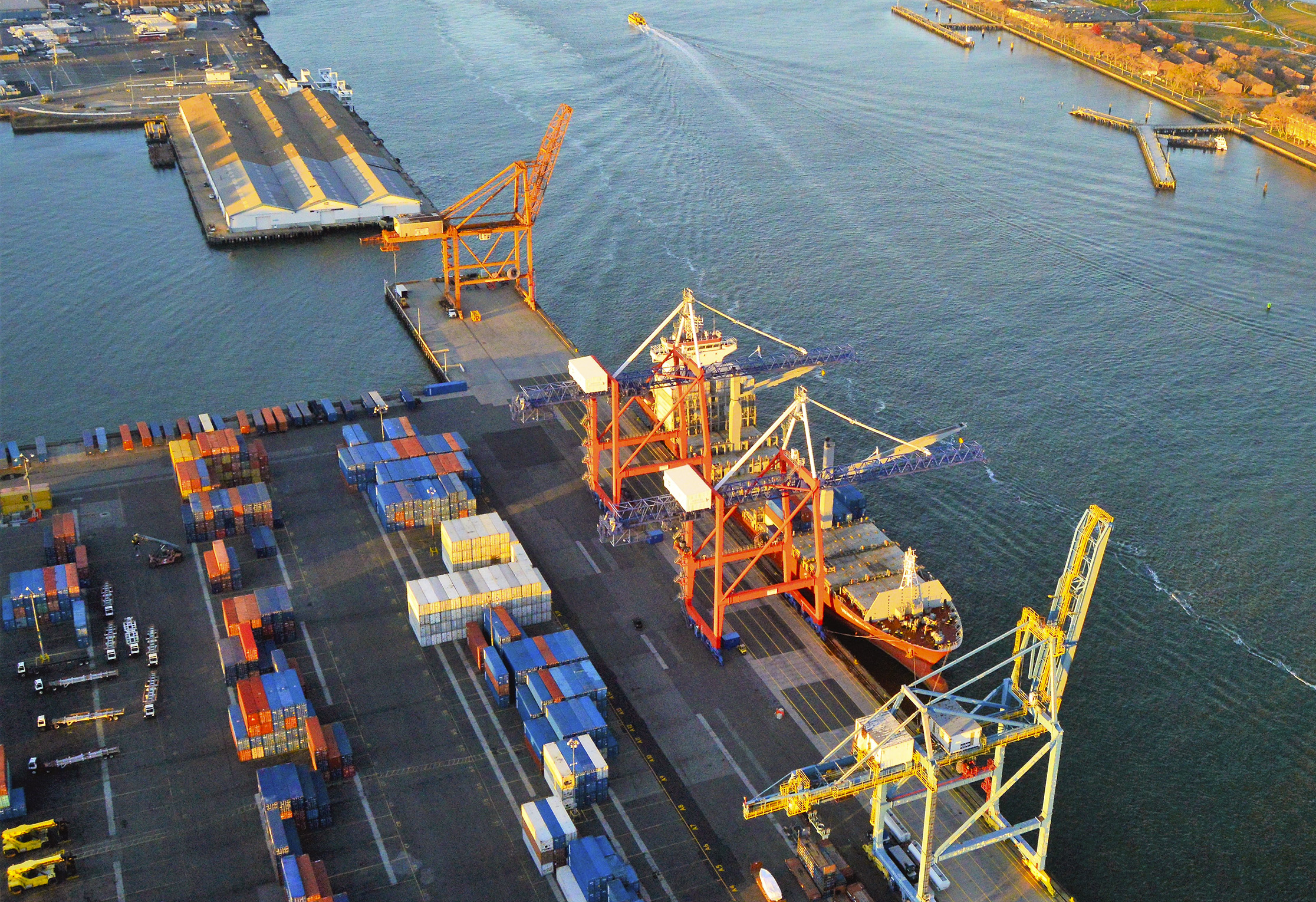
Tariff trade liens are reducing shipments to West Coast ports and terminals, while volume is growing at the Gulf ports. Simultaneously, the combined impact of inflation and tariffs is increasing the value of goods transported by intermodal and over-the-road carriers. These transport segments face an increased exposure for damage, theft and delay losses.

Opportunity: As trade routes shift, Southeastern and Eastern ports and terminals are experiencing a rise in volume. Businesses that reallocate resources, staff and contracts based on shifting demand will be best positioned to capitalize on surges while mitigating the impact of volume drops in other areas. With a strategic and proactive approach, congested ports and terminals can sustain more traffic and risk than they could before.

Challenge: As the volume surge is more targeted toward Gulf ports, consider your increased risk of CAT loss from hurricanes and other severe subtropical storms common in these areas. Examine equipment and property coverages for situational appropriateness.

Rising costs are forcing trucking companies to stretch resources, defer maintenance and make riskier hires. The combined impact of tariffs and climbing repair costs is driving greater commercial auto exposures, higher claim costs and upward pressure on premiums. Meanwhile, shifting routes and trade patterns are fueling a surge in cargo theft in congested areas, adding yet another layer of risk for carriers and shippers alike.

Opportunity: As 3PLs and freight brokers gain new domestic and overseas partners, there may be opportunities to negotiate new terms, rethink routing structures and acquire new warehouse providers to support your business’ sustainability and bottom line.

Challenge: With new partnerships and contracts come a new unknown, which can increase business risk. Businesses that request heightened contractual review support from their insurance broker will go far in reducing errors and omissions, contractual liability and contingent auto exposures.

Rather than a steep contraction, the freight market is experiencing a drawn-out recession defined by duration over intensity.

This situation has become dire for many. According to the American Transportation Research Institutes’ Critical Issues in the Trucking Industry 2025 report, the economy remains the trucking industry’s top concern for the third consecutive year, as rising operating expenses, ongoing weak demand, shifting tariff policies and a prolonged freight downturn continue to pressure profitability.

Opportunity: As load volume declines, doors open to consulting opportunities for 3PLs and freight brokers that help shippers navigate new costs, overcome geographic hurdles and source reliable transportation in a dynamic and evolving logistics environment.

If, for example, tariff changes force shipments to reroute from China to Mexico, suddenly the carrier is dealing with a completely new supply chain. Maybe they previously relied on direct shipper-to-motor carrier agreements, which means 3PLs have a new opportunity to provide advisory services that help ensure safe and efficient operations through reputable channels.


Supply Chain Volatility and Insurance Impact

As goods reroute through new ports, dwell times increase and inventory concentrates in different places, insurance exposure rises. See how each logistics segment is affected:
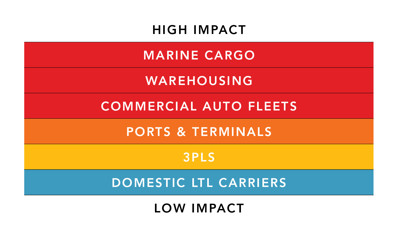
(RED: HIGH RISK, ORANGE: MODERATE TO HIGH RISK, YELLOW: MODERATE RISK, BLUE: LOW RISK)

The question for many is: What effect will this shift in trade routes have on insurance costs?

Ports and terminals, intermodal, general trucking and 3PLs can benefit from tailored insurance pricing and risk mitigation tactics based on more precise total cost of risk (TCOR) estimates for specific routes and volume changes. The right insurance brokerage will conduct a thorough analysis of claims risk by zones, territories and supply changes.

Forecast Risk in a Shifting Supply Chain with Alliant

In today’s dynamic trade environment, businesses must be predictive. Those that can accurately forecast losses and manage changing liabilities are best positioned to navigate new routes, shifting tariff pressures and compliance changes.

As shipments move through new ports or lanes, companies must anticipate the insurance costs tied to new or unfamiliar geographies, operators and equipment. Alliant provides the data, analytics and strategic guidance needed to make these critical decisions.

Helping companies combine telematics with claims data, the Alliant FleetLytics platform can better estimate TCOR by route, onboard drivers efficiently and adjust operations across owner-operators and independent contractors. By linking real-time operational data with insurance performance, your business can proactively manage risk, control costs and expand confidently into new markets.

Contact Alliant to review your insurance program and learn how together we can turn tariff challenges into actionable opportunities for your fleet.

This document is provided for general informational purposes only and does not constitute legal, tax, accounting, insurance, brokerage, risk management, or other professional advice. You should consult your own legal counsel or other qualified professional advisors regarding your specific circumstances, and receipt of this document does not create any client, advisory, fiduciary, brokerage, or other professional relationship with Alliant Insurance Services, Inc. This document is provided “as is” without warranty of any kind, and Alliant Insurance Services, Inc. disclaims any liability for any loss or damage arising out of or relating to reliance on this document.